
Phil's STORY
GOAL
Strength / Performance
RESULT
Body Recomp
PROGRAM
The Reform You Method
I wanted to be strong in my 60's, both of my kids were with Reform I knew I needed to Join!
From “I’m not going to make this” to riding the Pyrenees strong at 66
The Starting Point
Phil wasn’t new to fitness. He’d always watched his diet and stayed active, but he admitted he was operating off “dated” nutrition rules from years ago. On top of that, a lower back injury took him off the bike for about five years. After getting his back treated (nerve ablation), he finally got back to riding again — but then something big came up.
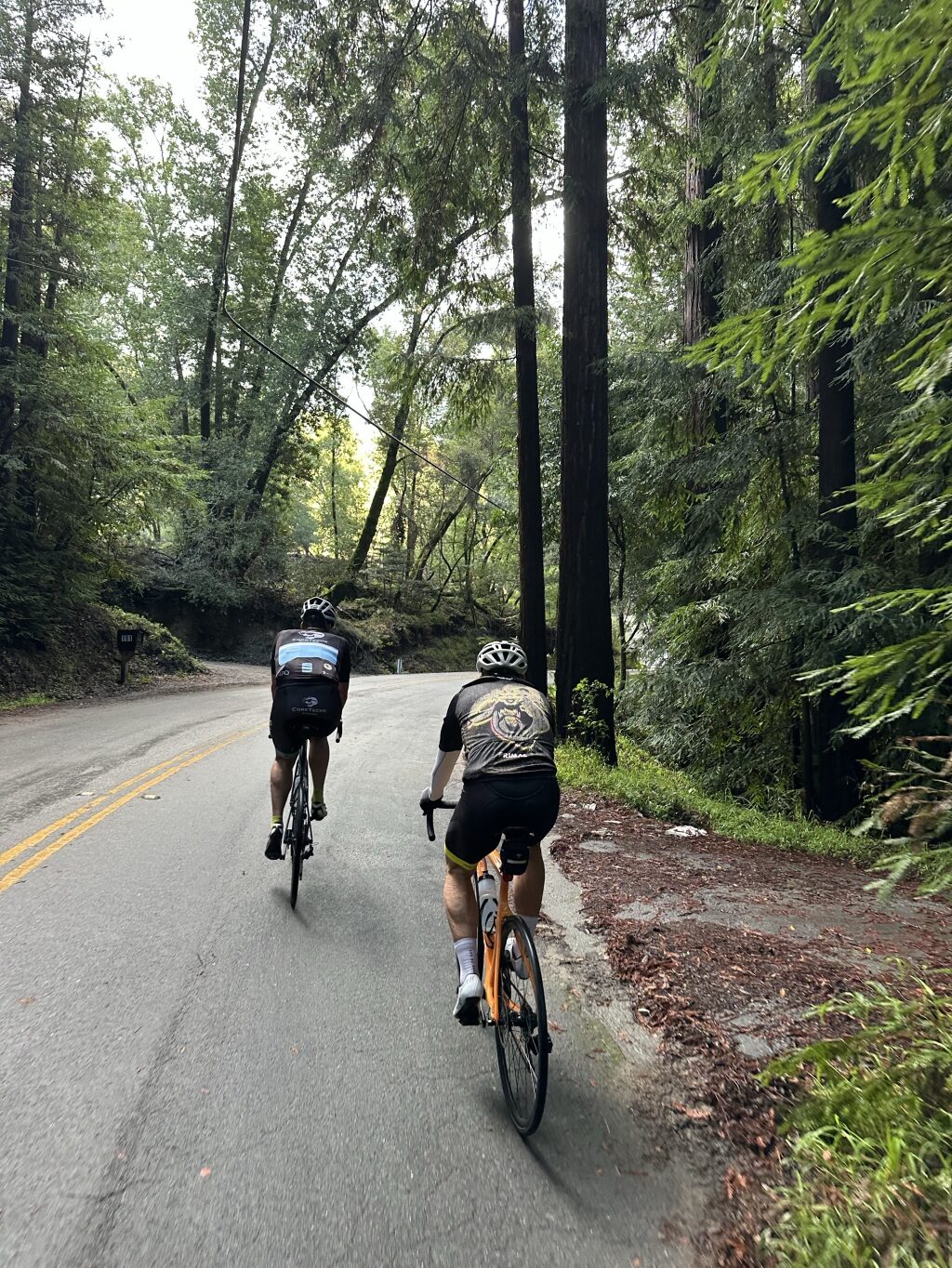
A once-in-a-lifetime cycling trip across the Pyrenees.
And the honest truth? Phil didn’t think he could do it. These weren’t casual hills. This was mountain climbing on a bike, on routes the Tour de France pros ride. He had a friend pushing him to do it and even offered the “backup plan” option: take the van if it got too hard.
Phil didn’t want the van. He wanted to earn it.
So he decided to train, dial in his nutrition, and get real coaching support to make the ride something he could enjoy — not something that destroyed him.
What Wasn’t Working
Even though Phil was disciplined, he was missing the main thing endurance athletes need: fuel.
He thought he was doing the “healthy” thing by keeping carbs low and relying on lighter foods. But with the kind of climbing he was preparing for — including days with massive elevation — that approach was costing him energy, recovery, and performance.
He also had a long-time weight plateau. Phil had hovered around 163 lbs for 15–20 years, and no matter what he did, he couldn’t get under 160 on his own.
The Reform Approach
Phil didn’t just need “weight loss.” He needed a strategy that made him lighter and stronger without sacrificing his performance.
So we focused on three things:
- Fueling like an athlete (not dieting like it’s 2000)
Phil learned how many carbs he actually needed to perform and recover. One of the biggest shifts was learning to eat during rides even when he wasn’t hungry.
Nina had him fueling consistently — even hourly — and that changed everything. His rides got faster, he finished less exhausted, and the biggest win: he built the endurance to show up strong for the next ride.
He stopped eating based on hunger and started eating based on performance and recovery.
- Performance hydration and recovery
Even things like adding electrolytes became part of his new normal. Phil said it best: you don’t wait until your car feels empty — you refill it when the gauge tells you to.
That mindset shift changed how he approached fueling and recovery overall.
- Simple structure that fit real life
Phil stopped winging meals and started meal planning in a way that was realistic.
He simplified food prep so it was automatic: crockpot chicken, salsa, salads, Taco Tuesday, easy lunches. He even started bringing his own lunch to restaurants when meeting people — because he knew exactly what he needed to hit his targets.
No drama. No perfection. Just execution.
And yes, we made room for real life too.
Phil loved that he could still enjoy things like IPAs — because we taught him how to make decisions that fit the plan instead of pretending those things don’t exist.
The Results
Phil didn’t just finish the Pyrenees ride.
He performed.
- At 66 years old, he was the oldest guy on the trip
- He was not the guy in last place
- Many days he was first or second
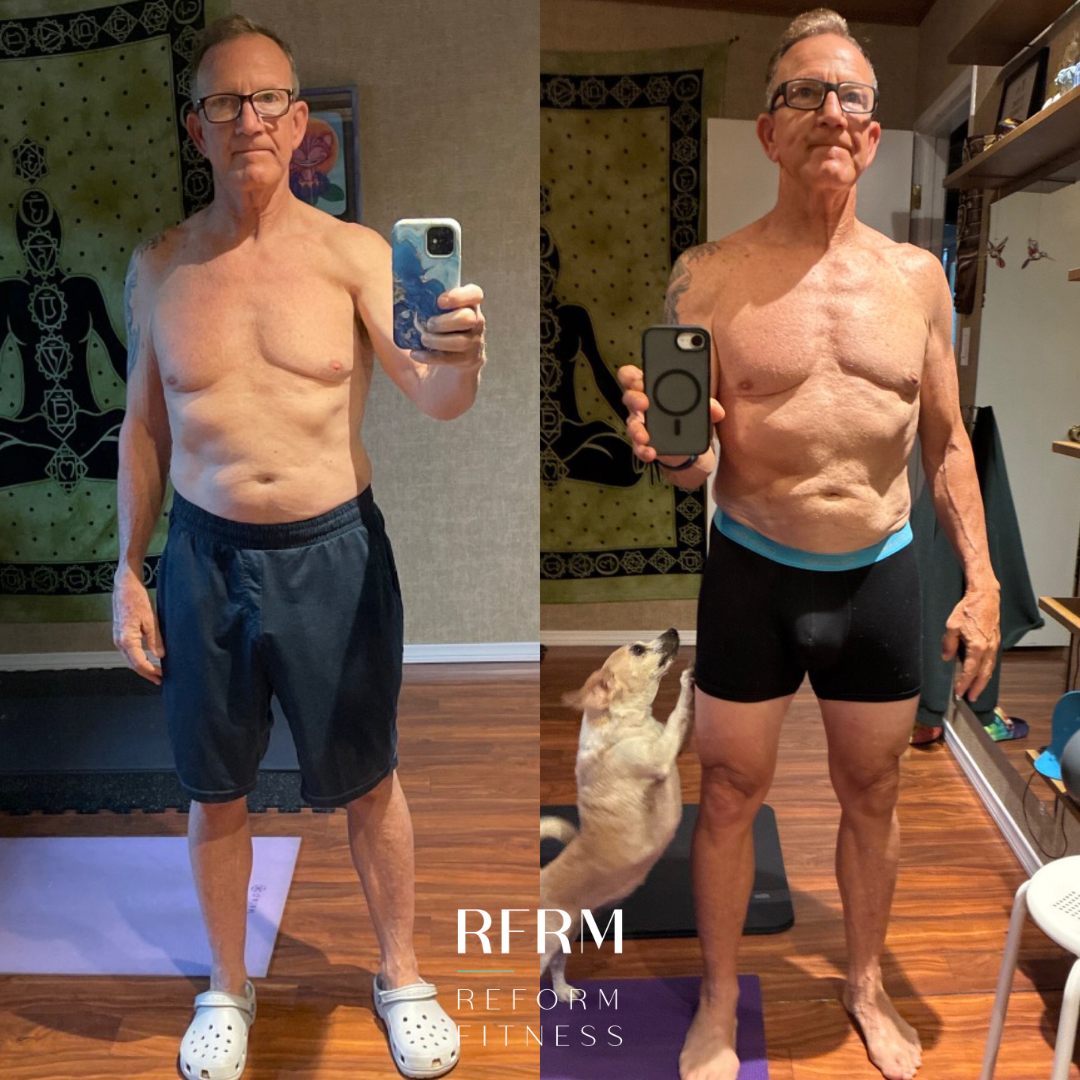
- He finally broke his plateau and hit 160 lbs — something he couldn’t do alone
- Visible body composition changes: muffin top lean-out, stronger legs, better endurance
- He learned how to fuel, recover, and structure his week without guessing
But what Phil was most proud of wasn’t just the number.
It was the accountability and consistency.
The weekly calls forced honesty. No more “I’ll do better next week” with no plan. He had to look at why things happened and adjust — which is exactly why it worked.
Phil’s Favorite Part
Phil said the biggest advantage of working with us was access.
The ability to text, get quick adjustments, and stay on track in real life moments — restaurants, social situations, travel — without falling into the old all-or-nothing cycle.
That constant support plus simple strategy is what made this sustainable.
Phil’s Take on the Investment
Phil admitted the cost felt high at first.
But then it became the reason he stayed consistent.
He said it straight: if you’re paying for help and you don’t follow the plan, it doesn’t make sense.
And when a friend hesitated because of money, Phil’s response was simple:
What are you spending money on that’s more important than your health?
The Bottom Line
Phil came to us because he didn’t want a “maybe I’ll make it” experience.
He wanted to feel prepared, strong, and capable.
And that’s exactly what happened.
He didn’t just survive the Pyrenees.
He rode it like an athlete.
From “I’m not going to make this” to riding the Pyrenees strong at 66
The Starting Point
Phil wasn’t new to fitness. He’d always watched his diet and stayed active, but he admitted he was operating off “dated” nutrition rules from years ago. On top of that, a lower back injury took him off the bike for about five years. After getting his back treated (nerve ablation), he finally got back to riding again — but then something big came up.
A once-in-a-lifetime cycling trip across the Pyrenees.
And the honest truth? Phil didn’t think he could do it. These weren’t casual hills. This was mountain climbing on a bike, on routes the Tour de France pros ride. He had a friend pushing him to do it and even offered the “backup plan” option: take the van if it got too hard.
Phil didn’t want the van. He wanted to earn it.
So he decided to train, dial in his nutrition, and get real coaching support to make the ride something he could enjoy — not something that destroyed him.
What Wasn’t Working
Even though Phil was disciplined, he was missing the main thing endurance athletes need: fuel.
He thought he was doing the “healthy” thing by keeping carbs low and relying on lighter foods. But with the kind of climbing he was preparing for — including days with massive elevation — that approach was costing him energy, recovery, and performance.
He also had a long-time weight plateau. Phil had hovered around 163 lbs for 15–20 years, and no matter what he did, he couldn’t get under 160 on his own.
The Reform Approach
Phil didn’t just need “weight loss.” He needed a strategy that made him lighter and stronger without sacrificing his performance.
So we focused on three things:
- Fueling like an athlete (not dieting like it’s 2000)
Phil learned how many carbs he actually needed to perform and recover. One of the biggest shifts was learning to eat during rides even when he wasn’t hungry.
Nina had him fueling consistently — even hourly — and that changed everything. His rides got faster, he finished less exhausted, and the biggest win: he built the endurance to show up strong for the next ride.
He stopped eating based on hunger and started eating based on performance and recovery.
- Performance hydration and recovery
Even things like adding electrolytes became part of his new normal. Phil said it best: you don’t wait until your car feels empty — you refill it when the gauge tells you to.
That mindset shift changed how he approached fueling and recovery overall.
- Simple structure that fit real life
Phil stopped winging meals and started meal planning in a way that was realistic.
He simplified food prep so it was automatic: crockpot chicken, salsa, salads, Taco Tuesday, easy lunches. He even started bringing his own lunch to restaurants when meeting people — because he knew exactly what he needed to hit his targets.
No drama. No perfection. Just execution.
And yes, we made room for real life too.
Phil loved that he could still enjoy things like IPAs — because we taught him how to make decisions that fit the plan instead of pretending those things don’t exist.
The Results
Phil didn’t just finish the Pyrenees ride.
He performed.
- At 66 years old, he was the oldest guy on the trip
- He was not the guy in last place
- Many days he was first or second
- He finally broke his plateau and hit 160 lbs — something he couldn’t do alone
- Visible body composition changes: muffin top lean-out, stronger legs, better endurance
- He learned how to fuel, recover, and structure his week without guessing
But what Phil was most proud of wasn’t just the number.
It was the accountability and consistency.
The weekly calls forced honesty. No more “I’ll do better next week” with no plan. He had to look at why things happened and adjust — which is exactly why it worked.
Phil’s Favorite Part
Phil said the biggest advantage of working with us was access.
The ability to text, get quick adjustments, and stay on track in real life moments — restaurants, social situations, travel — without falling into the old all-or-nothing cycle.
That constant support plus simple strategy is what made this sustainable.
Phil’s Take on the Investment
Phil admitted the cost felt high at first.
But then it became the reason he stayed consistent.
He said it straight: if you’re paying for help and you don’t follow the plan, it doesn’t make sense.
And when a friend hesitated because of money, Phil’s response was simple:
What are you spending money on that’s more important than your health?
The Bottom Line
Phil came to us because he didn’t want a “maybe I’ll make it” experience.
He wanted to feel prepared, strong, and capable.
And that’s exactly what happened.
He didn’t just survive the Pyrenees.
He rode it like an athlete.
Your Goals Called...
They're in Your Inbox
Ready to take the guesswork out of fitness? Let us send you practical tips, nutrition hacks, and the motivation to crush your goals.